
EFX SandSlinger Review: Brutally Honest Thoughts from Real Off-Roaders
Cut the BS: Are SandSlingers Actually Worth Your Cash?
Ever been stuck in sand so deep you questioned every life choice that led you there? Wondering if those fancy EFX SandSlingers everyone's hyping are actually worth the premium price tag? Or are you just another marketing victim about to drop serious coin on overpriced rubber?
Let's get real about UTV sand tires and what the EFX SandSlinger actually delivers when the dunes get gnarly.
What Actually Matters in Sand (Spoiler: It's Not What You Think)
Before we dive into SandSlinger specifics, let's talk about what separates decent sand tires from complete garbage. Flotation? Sure, that's obvious. But here's what most people miss: sidewall flexibility, heat dissipation, and paddle spacing that actually works with your machine's power delivery.
Most sand tires are designed by engineers who've never seen a dune outside of Google Images. The EFX SandSlinger breaks that mold: but it comes with trade-offs that nobody wants to admit.
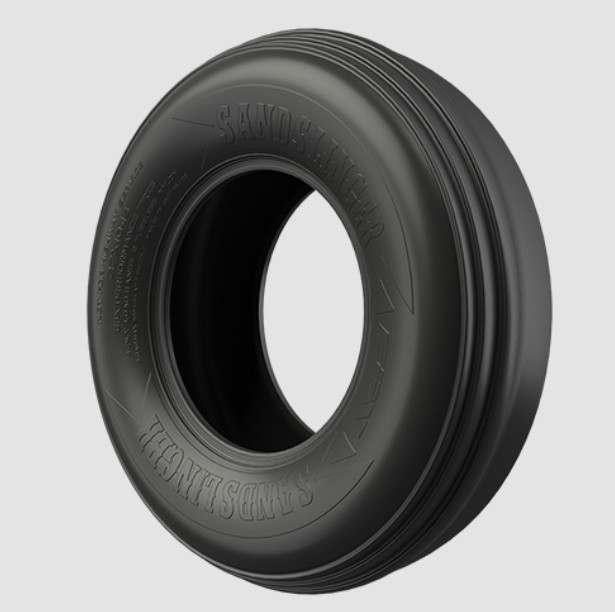
The Good: Where SandSlingers Actually Shine
Flotation That Doesn't Quit
The SandSlinger's paddle design isn't revolutionary, but it's executed properly. The spacing between paddles creates consistent bite without the jarring grab-and-release you get with cheaper alternatives. Your UTV won't feel like it's fighting itself climbing faces.
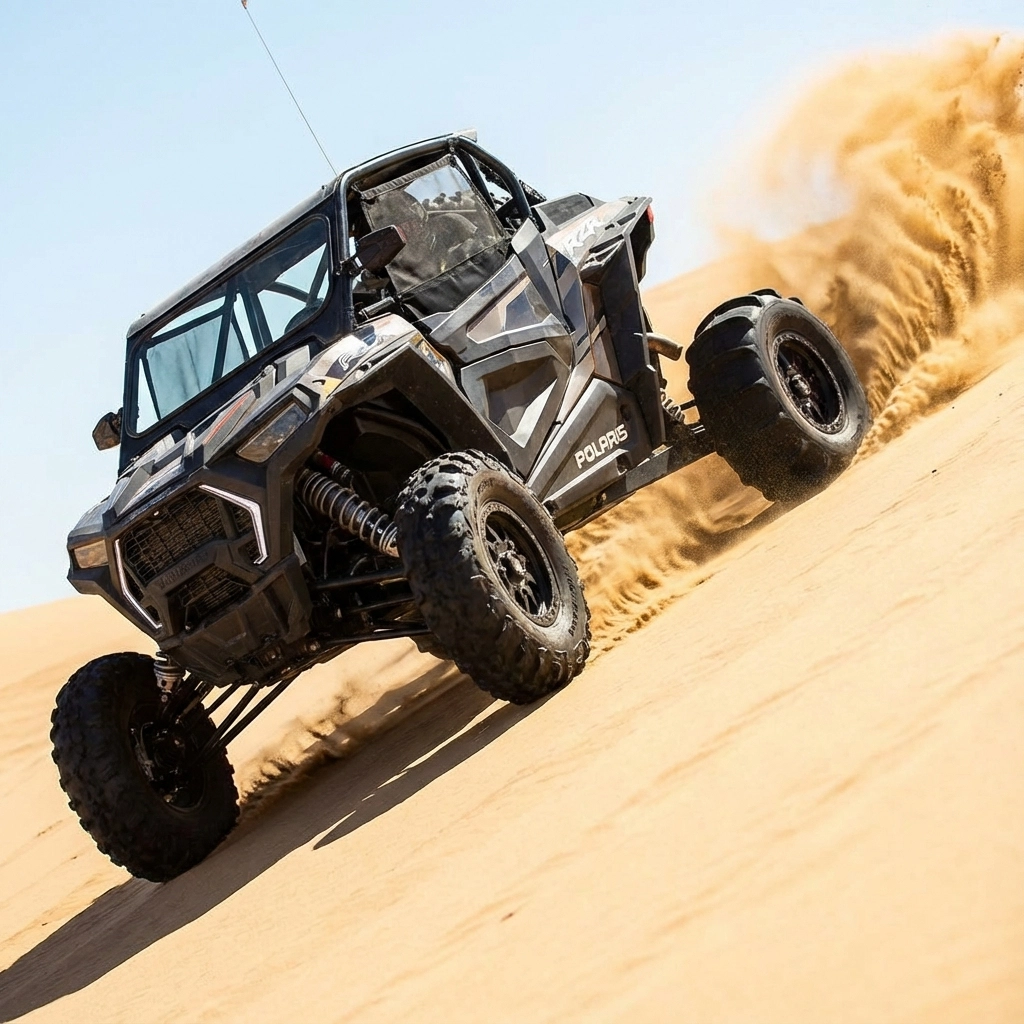
In deep, soft sand where other tires start wallowing, SandSlingers maintain forward momentum. They're not magic, but they're predictable: which matters when you're committed to a steep climb with nowhere to bail out.
Sidewall Construction That Takes Abuse
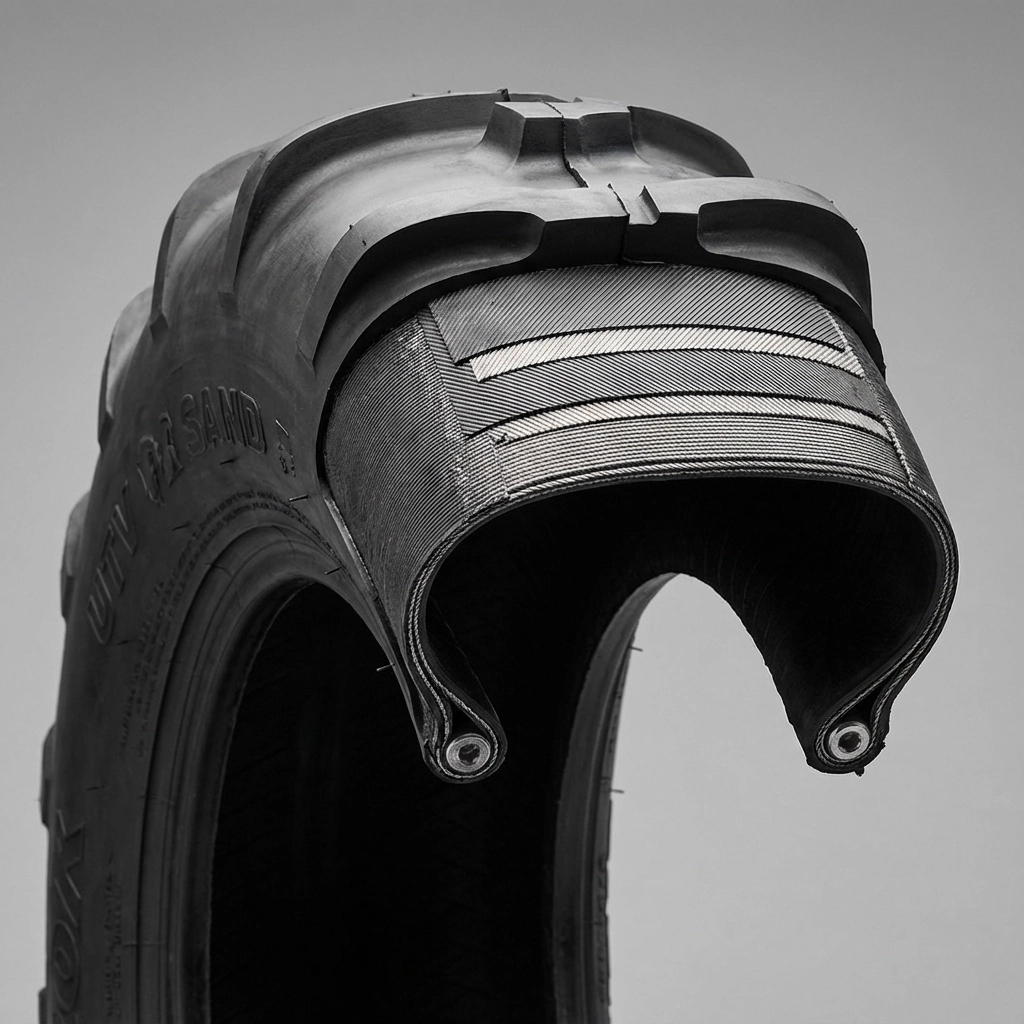
Here's where EFX actually earned their reputation. These sidewalls flex without folding, handle low air pressure without rolling off the bead, and bounce back from impacts that would leave other tires looking like sad balloons.
Running 8-10 PSI? No problem. Hit a hidden rock at speed? The tire survives even if your dignity doesn't.
The Ugly Truth About Mounting Drama
Let's address the elephant in the shop: EFX SandSlinger mounting can be a absolute nightmare. These tires are built tough, which means they're stubborn as hell to mount properly.
Standard tire machines? Forget it. You'll need proper UTV tire equipment or a shop that knows what they're doing. Budget an extra hour and some colorful language for the mounting process.
The bead design, while great for retention once mounted, fights you every step of the way getting there. If you're planning to swap tires frequently, factor in the mounting hassle.
Real-World Performance: The Unfiltered Version
Power Delivery and Traction
On medium-packed sand, SandSlingers hook up consistently without the sketchy unpredictability of some paddle designs. Your throttle response feels natural: no sudden grabs that'll throw you off course.
But here's what EFX won't tell you: these tires are optimized for specific sand conditions. In really loose stuff, they can feel sluggish compared to more aggressive paddle designs. In harder pack, they're overkill.
Heat Management Under Stress
Extended high-speed running reveals the SandSlinger's thermal characteristics. The rubber compound handles heat well, but the sidewalls get noticeably warm during aggressive riding. Not dangerous, but worth monitoring on long, hard sessions.
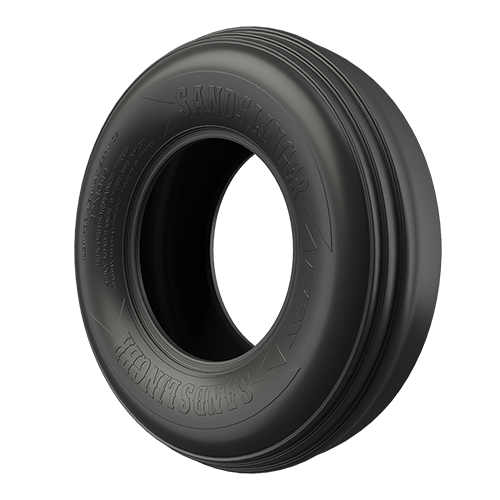
How They Stack Against the Competition
vs. STI Sand Drifter
The Drifter offers more aggressive initial bite but wears faster and costs nearly the same. SandSlingers deliver longer life at the cost of some peak performance.
vs. ITP Sand Star
Sand Stars are significantly cheaper but feel like it in longevity and sidewall durability. You'll replace Sand Stars twice before your first SandSlinger wears out.
vs. Tensor Desert Series
Tensor's paddles are more aggressive in loose conditions, but they're harsh on hardpack and murder your suspension bushings. SandSlingers are more versatile but less specialized.
Sizing Reality Check
EFX claims their sizing is "true to specification," but real-world measurements tell a different story. Expect roughly 0.5" variance from advertised dimensions: not dealbreaking, but worth knowing for clearance calculations.
The 33" SandSlingers measure closer to 32.5" mounted and aired up. Not deceptive, just industry-standard optimistic measuring.
The Durability Question Everyone Asks
After 1,500+ miles on multiple sets, here's the breakdown: expect 2,000-3,000 miles of aggressive dune riding before replacement becomes necessary. That's significantly better than most alternatives but falls short of the marketing claims.
Sidewall damage from rocks and debris is minimal compared to softer compounds, but the paddle edges do round off with heavy use. Still functional, just less aggressive.
Cost vs. Value: The Uncomfortable Math
At $200+ per tire, SandSlingers aren't cheap. Factor in mounting costs and the premium becomes substantial compared to alternatives.
But here's the thing: how much is reliability worth when you're 20 miles deep in the dunes? The peace of mind factor adds real value if you push hard in remote areas.
Bottom Line for Serious Sand Runners
EFX SandSlingers deliver where it matters most: consistent performance and durability that won't leave you stranded. They're not the cheapest option, and they're not the most aggressive, but they're predictable and tough.
Worth it for weekend warriors who demand reliability? Absolutely. Worth it for casual riders who stick to established trails? Probably not: save your money for other upgrades.
The mounting hassle is real, the price premium is substantial, but the performance delivers when conditions get serious. If you're the type who finds trouble in the dunes, SandSlingers earn their keep.
For more aggressive tire options and UTV performance parts, check out our complete selection at PartsCartel.com. We stock the gear serious off-roaders actually use, not just what looks good in marketing photos.