
4x137 vs 4x156 Bolt Pattern Wheels: Which Crushes More Trails?
Think bolt patterns don't matter? Think your wheels are just round things that hold up your rig? Time for a reality check, trail rebel.
4x137 vs 4x156 wheels – it's the great UTV divide that separates the machine tribes. Can-Am loyalists swearing by their 137s while Polaris fanatics preach the gospel of 156s. But here's the kicker: most riders don't even know what the hell these numbers mean, let alone why they should care.
Spoiler alert: You should care. Big time.
What's All This Number Nonsense About?
Cut through the marketing BS for a second. Those numbers? They're measuring the distance between bolt holes in millimeters. 4x137 bolt pattern wheels have four bolt holes spaced 137mm apart. 4x156 wheels spread those same four holes 156mm apart.
Simple math, right? But here's where it gets interesting – and where most people screw up royally.
The Machine Wars: Who Uses What
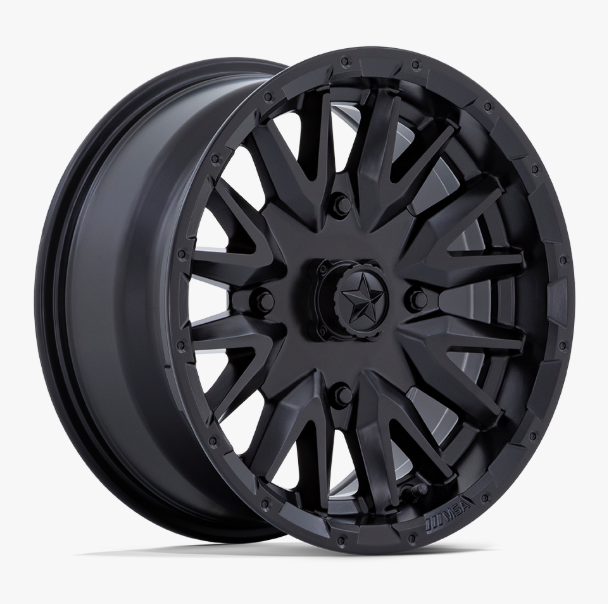
4x137 wheels own the Can-Am kingdom. Maverick X3, Defender, Commander – they're all rolling 137s from the factory. Kawasaki jumped on this bandwagon too with their Mule and Teryx lineup, plus most of their solid rear axle ATVs. Even some Honda models got with the 137 program.
4x156 wheels belong to Team Polaris. RZR XP 1000, RZR Turbo S, RZR Trail, Ranger series – if it's got Polaris badges, it's probably rocking 156s. Yamaha's non-sport models and their 2019+ YXZ also joined this club.
But here's the million-dollar question: Does this tribal warfare actually matter on the trail?
The Dirty Truth About Trail Performance
Ready for some straight talk that'll piss off wheel salesmen everywhere? The bolt pattern itself doesn't make your machine crush more trails.
Yeah, you read that right.
Your suspension geometry, engine power, tire choice, and driver skill matter infinitely more than whether your wheels bolt up with 137mm or 156mm spacing. The bolt pattern is just the mounting system – it's not some magical performance enhancer.
So why does everyone get so worked up about it?
Where The Real Differences Live
Here's where things get actually interesting. The real battle isn't about bolt patterns – it's about what those patterns unlock.
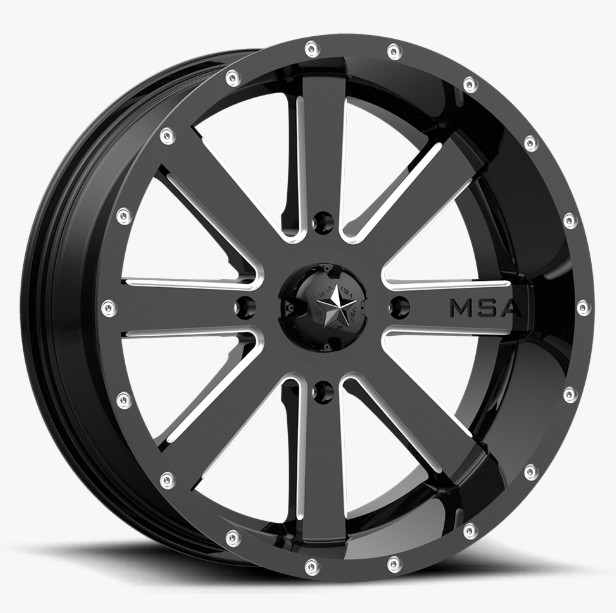
Wheel Selection: Each pattern has its own ecosystem of aftermarket wheels. 4x156 beadlock wheels dominate the Polaris aftermarket because that's where the volume is. Meanwhile, 4x137 options are growing fast as Can-Am's popularity explodes.
Stance Modifications: Here's where 156s might actually have an edge. Converting from 4x137 to 4x156 with adapters widens your stance by 1-2 inches per side. Wider stance means better stability on off-camber sections and more confident cornering. But remember – this is about the adapters, not the bolt pattern itself.
Parts Availability: Polaris has been in the UTV game longer, so 4x156 wheels have a deeper aftermarket. But Can-Am's rising dominance means 4x137 wheels are catching up fast.
The Adapter Game-Changer
Here's something most people don't know: You can run 4x156 wheels on a 4x137 machine with adapters. These spacers effectively convert your bolt pattern while pushing your wheels outward.
The result? Wider stance, better stability, and access to the massive 4x156 wheel selection. Some riders swear by this setup for technical terrain where every bit of stability counts.
But (there's always a but) – you're adding complexity, weight, and potential failure points. Plus, changing your suspension geometry affects handling in ways that might surprise you.
The Real-World Breakdown
Let's get practical. If you're shopping for wheels, here's what actually matters:
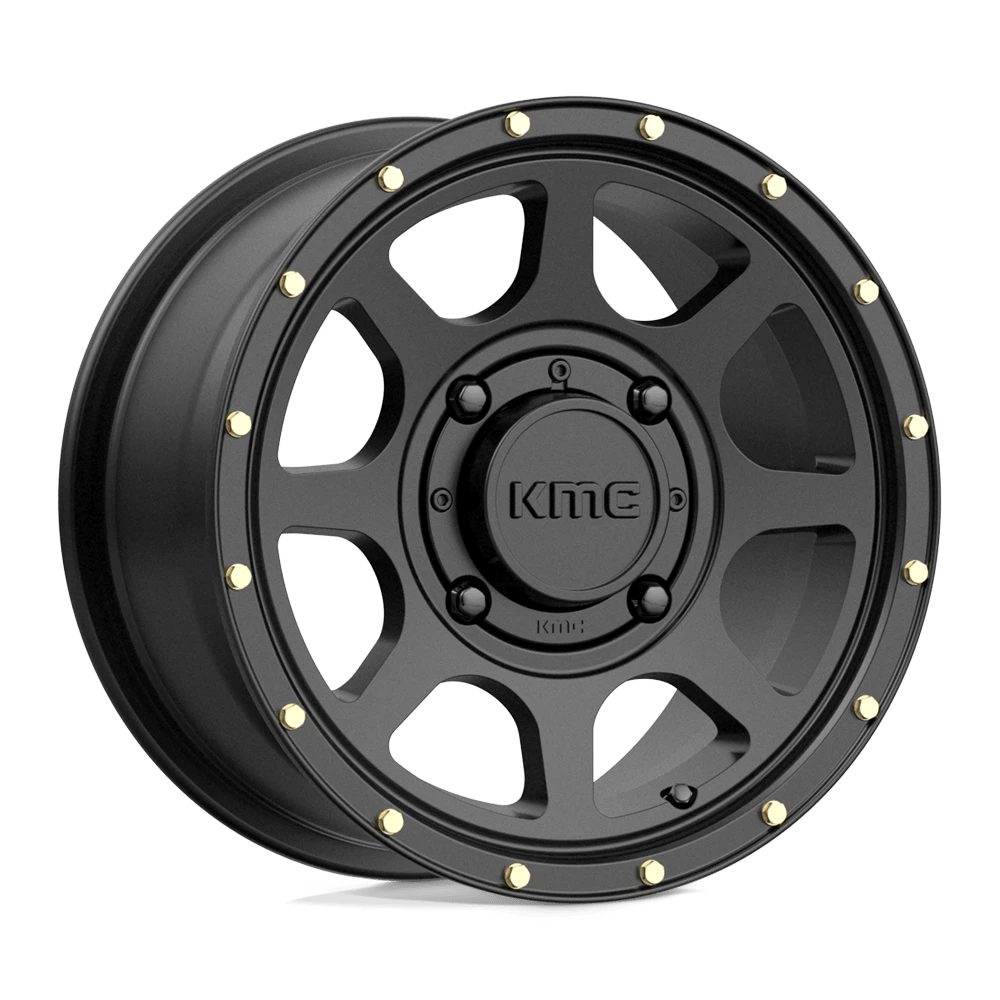
For Can-Am Owners: Your 4x137 bolt pattern wheels selection keeps growing. Companies like MSA, KMC, and others are pumping out aggressive designs specifically for your machine. Stick with 137s unless you specifically want that wider stance from adapters.
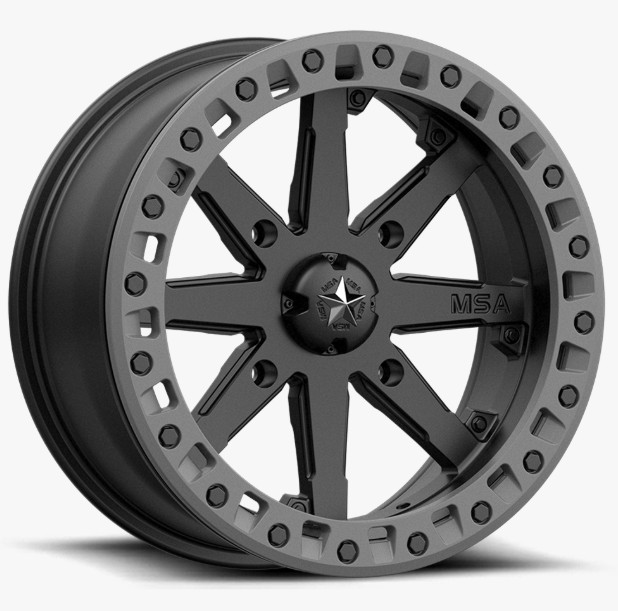
For Polaris Riders: You've got the biggest playground. 4x156 beadlock wheels in every style imaginable. From lightweight trail runners to bomb-proof rock crawlers – the selection is insane.
For Everyone Else: Check your owner's manual or measure your current wheels. Don't guess. Don't assume. Measure twice, order once.
What Really Crushes Trails
Want the truth? Your wheel's offset, construction quality, and weight matter way more than bolt pattern. A lightweight forged wheel with proper offset will outperform a heavy cast wheel every time, regardless of bolt pattern.
Beadlock capability matters more than bolt spacing if you're serious about low-pressure trail riding. The ability to air down without losing beads is a game-changer in sand, mud, and technical terrain.
Construction quality separates the pretenders from the contenders. Cast wheels look good on Instagram but might fold under serious abuse. Forged wheels cost more but laugh at rocks that would crack lesser wheels.
The Bottom Line Truth
Neither 4x137 nor 4x156 "crushes more trails" inherently. Your machine's design, your suspension setup, your tire choice, and your driving skill determine trail domination – not bolt pattern.
Choose wheels based on what fits your machine and what performance characteristics you actually need. If you want wider stance and have a 4x137 machine, adapters open up the 4x156 world. If you're already running 4x156, you've got the biggest selection available.
But here's the rebel truth most won't tell you: The best wheel is the one that keeps you on the trail instead of on the side of it waiting for a tow. Quality construction and proper fitment beat trendy bolt patterns every single time.
Stop obsessing over numbers and start focusing on what actually makes you faster, safer, and more capable out there. Your trails are waiting, not your bolt pattern.
Ready to find the right wheels for your machine? Check out our complete selection of off-road wheels and stop letting bolt pattern confusion hold back your next adventure.